
Physician urgent care is medical care for illnesses or injuries that need prompt attention but are not life-threatening. If you are unsure where to go for non-emergency care, you are not alone. Many people wonder whether symptoms are better suited for a primary care visit, an urgent care facility, telemedicine, or the emergency room. This guide is designed to make that decision process easier by explaining the differences in clear, practical terms.
In plain language, physician urgent care can help with health concerns that should not wait too long but usually do not require emergency intervention. People often ask about issues like minor fevers, sore throats, coughs, ear pain, mild rashes, sprains, cuts that may need evaluation, or urinary discomfort. The right care setting depends on your symptoms, how quickly they started, the time of day, and a physician’s evaluation.
As you read, you will see how physician urgent care compares with primary care, walk-in urgent care, virtual visits, and the ER, along with what you can generally expect from each option. This article is meant to support informed decisions, not replace professional medical judgment.
If someone has severe chest pain, trouble breathing, signs of stroke, heavy bleeding, loss of consciousness, or another life-threatening emergency, call 911 or go to the nearest emergency room right away.
What Physician Urgent Care Means
Physician urgent care usually means prompt, non-emergency medical evaluation by a physician or a physician-led urgent care team. It is designed for health concerns that should be assessed soon but do not appear life-threatening. Depending on the provider and the situation, care may happen in a clinic, at home, or through a virtual visit.
In plain terms, this type of care sits between routine preventive care and the emergency room. Routine care is typically scheduled in advance for checkups, ongoing wellness needs, or follow-up visits. Physicians urgent care, by contrast, focuses on same-day or near-term concerns that may need timely medical attention, such as new symptoms, worsening discomfort, minor injuries, or sudden illness that should not wait for a standard appointment.
A physician-led urgent care visit may help evaluate symptoms, review your history, perform an exam when appropriate, and recommend next steps. That can include treatment, monitoring advice, testing, referral, or guidance on whether a higher level of care is needed. It is important to remember that urgent care does not replace every kind of medical service. Some concerns may require hospital-based care, imaging, specialist evaluation, or emergency intervention.
Urgent does not always mean emergency
“Urgent” means a problem may need attention soon, but it is not automatically an emergency. A person might seek urgent evaluation for symptoms that are uncomfortable, concerning, or getting worse, even if they are still stable. Emergency needs are different. Severe chest pain, major trouble breathing, signs of stroke, heavy bleeding, loss of consciousness, or other potentially life-threatening symptoms require 911 or the nearest emergency room rather than urgent care.
Where physician-led urgent care may happen
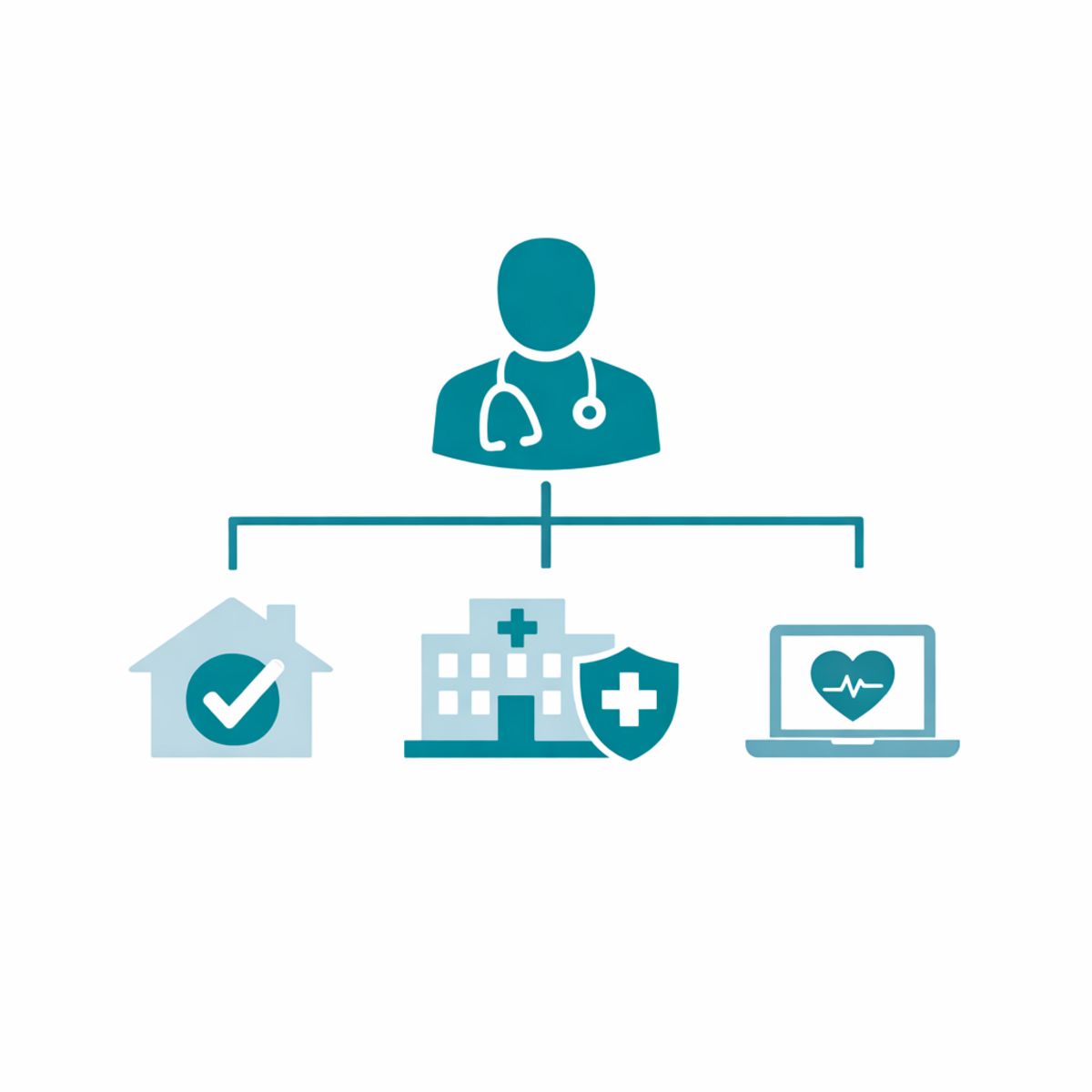
Physician-led urgent care may take place in several settings depending on the provider model and the condition being assessed. Some people are seen at an urgent care facility. Others may receive an in-home physician visit when that service is offered. In some cases, telemedicine may be appropriate for an initial discussion, symptom review, or guidance about next steps. The right setting depends on what symptoms are present, how quickly an in-person exam is needed, and whether the provider can safely evaluate the issue in that format.
Why People Choose Physician Urgent Care
For many families, physician urgent care can be a practical option when a health concern comes up and the situation does not seem life threatening. It may help bridge the gap between waiting for a routine appointment and deciding whether a higher level of care is needed. Depending on your condition, this type of support can offer timely evaluation, physician guidance, and clearer next steps without overpromising what any one setting can handle.
Timely guidance for non-emergency concerns
One reason people look for primary and urgent care support is uncertainty. Symptoms such as fever, cough, minor injuries, stomach issues, or worsening cold and flu concerns can leave patients wondering whether to rest at home, schedule follow-up, or seek prompt evaluation. Physician urgent care may help by giving patients access to medical judgment sooner than waiting several days for a standard office visit, especially when a primary care office is closed or unavailable.
Physician oversight can also be valuable when the main question is what to do next. A doctor may assess symptoms, review medical history, and recommend monitoring, treatment, follow-up, or a different care setting if needed. For readers who want more context on what a medical doctor does, understanding that role can make care decisions feel less overwhelming.
Comfort, access, and care setting flexibility
Another benefit is flexibility. Some patients prefer options beyond a traditional urgent care facility, including in-home visits or telemedicine when appropriate. In-home care may be especially appealing for parents with young children, older adults, or anyone who feels worse traveling while sick. Telemedicine, by contrast, can be useful for certain discussions, symptom reviews, and guidance when a hands-on exam is not necessary. The right option depends on the patient, the symptoms, and what evaluation is required.
At the same time, balanced decision-making matters. Not every issue can be handled outside a hospital, and some symptoms need emergency attention. Physician urgent care is often chosen because it may offer convenience and reassurance for non-emergency concerns, but the best setting always varies by patient and condition.

Physician Urgent Care vs Primary Care, Telemedicine, and the ER
Choosing the right care setting depends on your symptoms, timing, and whether you need a hands-on exam. For many non-emergency concerns, a physician urgent care option can help bridge the gap between routine office care and the hospital. It may be useful when you need prompt attention for a new issue that should not wait for a future appointment, but does not appear life-threatening.
In general, think about each option by purpose: primary care supports prevention and long-term health, telemedicine offers convenience for selected non-emergency concerns, an urgent care facility or physician urgent care visit can help with more immediate needs, and the emergency room is for severe or potentially life-threatening symptoms. If you are comparing options, the key question is not just what is fastest, but what level of evaluation is most appropriate.
Physician urgent care vs primary care
Primary and urgent care serve different roles. Primary care is usually the best fit for preventive visits, annual exams, medication management, chronic condition follow-up, and continuity over time. If you need ongoing support for issues like blood pressure, diabetes, asthma management, or long-term treatment planning, your primary care clinician is typically the most appropriate starting point.
Physician urgent care is often better suited to more immediate, non-emergency concerns that may need timely evaluation. Examples can include sudden minor illnesses, infections, rashes, or symptoms that are uncomfortable enough that waiting several days for a routine office opening may not be ideal. In those situations, urgent care may offer a practical alternative when the issue is new, time-sensitive, and not clearly severe enough for the ER.
An urgent care appointment may be scheduled in some settings, while others operate primarily as walk-in care. Availability, timing, and wait expectations can vary, so it is best not to assume immediate service or guaranteed same-day treatment. If your concern is routine, preventive, or tied to long-term care planning, primary care remains the better choice for continuity.
Physician urgent care vs telemedicine
Telemedicine can be a convenient option for certain non-emergency concerns, especially when you need guidance, follow-up discussion, or help deciding next steps. Virtual care may work well for some symptom reviews, medication questions, or situations where a clinician can gather enough information through history and visual observation. If that type of support sounds appropriate, some patients explore telemedicine visits for non-emergency care.
However, telemedicine is still virtual and may not replace a physical exam. When a clinician needs to listen to your lungs, examine an area of pain, assess swelling, check vital signs directly, or evaluate symptoms that are difficult to judge on video, an in-person physician urgent care visit may be more appropriate. This is one of the biggest differences between telemedicine and urgent care: convenience versus the added value of hands-on assessment.
If your symptoms seem mild and straightforward, virtual care may be a reasonable first step. If symptoms are worsening, unclear, or may require direct examination, urgent care is often the stronger choice. The right setting depends on the condition, and a virtual visit may sometimes lead to a recommendation for in-person evaluation.
Physician urgent care vs emergency room
This is the most important comparison from a safety standpoint. Urgent care vs emergency room is not simply a matter of preference or convenience. If symptoms are severe, rapidly worsening, or potentially life-threatening, the emergency room is the right place to go. Urgent care, house calls, and telemedicine are not substitutes for emergency care.
Go to the ER or call 911 right away for symptoms such as chest pain, severe trouble breathing, signs of stroke, major head injury, uncontrolled bleeding, seizures, severe allergic reactions, loss of consciousness, or other symptoms that may represent a medical emergency. In those situations, do not delay care by trying to arrange an urgent care facility visit or virtual consultation first.
For non-emergency problems that still need prompt attention, physician urgent care may be a more appropriate level of care than the ER. The best approach is to match the setting to the seriousness of the problem: primary care for continuity and prevention, telemedicine for selected virtual needs, urgent care for timely non-emergency evaluation, and the emergency room for emergencies.

What to Expect From a Physician Urgent Care Visit

A physician urgent care visit is typically focused on understanding your symptoms, reviewing relevant health information, and determining appropriate next steps based on the evaluation. While each situation is different, many visits begin with practical questions about when symptoms started, how they have changed, current medications, allergies, medical history, and any recent care you have already received. If applicable, you may also be asked for insurance details and payment information so coverage can be reviewed.
Before the visit
It can help to have a list of medications, known allergies, major medical conditions, and a short timeline of symptoms ready. If you have home readings such as temperature, blood pressure, or blood sugar, those details may also be useful. Bringing a photo ID and insurance card, when relevant, may help streamline verification, although accepted plans and out-of-pocket costs can vary.
During the evaluation
During the visit, the physician will usually talk through your concerns, ask follow-up questions, and perform a focused urgent care physical exam when in-person care is provided. The exam may differ from a virtual visit because the physician may be able to listen to breathing, check vital signs, examine the affected area, or assess how you are responding in real time. Not every visit includes the same services, and any testing, prescriptions, or procedures depend on the physician’s clinical judgment, your symptoms, and the scope of care available.
After the visit
After the evaluation, recommendations may include home care guidance, symptom monitoring, follow-up with a primary care provider, or additional support such as when telemedicine may help. In some cases, a referral for imaging, specialist review, or a higher level of care may be recommended if the physician believes more immediate or advanced evaluation is appropriate. Coverage, timing, and next steps can vary by patient, provider, and clinical findings, so the visit is best understood as an assessment that helps guide what should happen next rather than a promise of a specific outcome.
How to Choose the Right Care Option
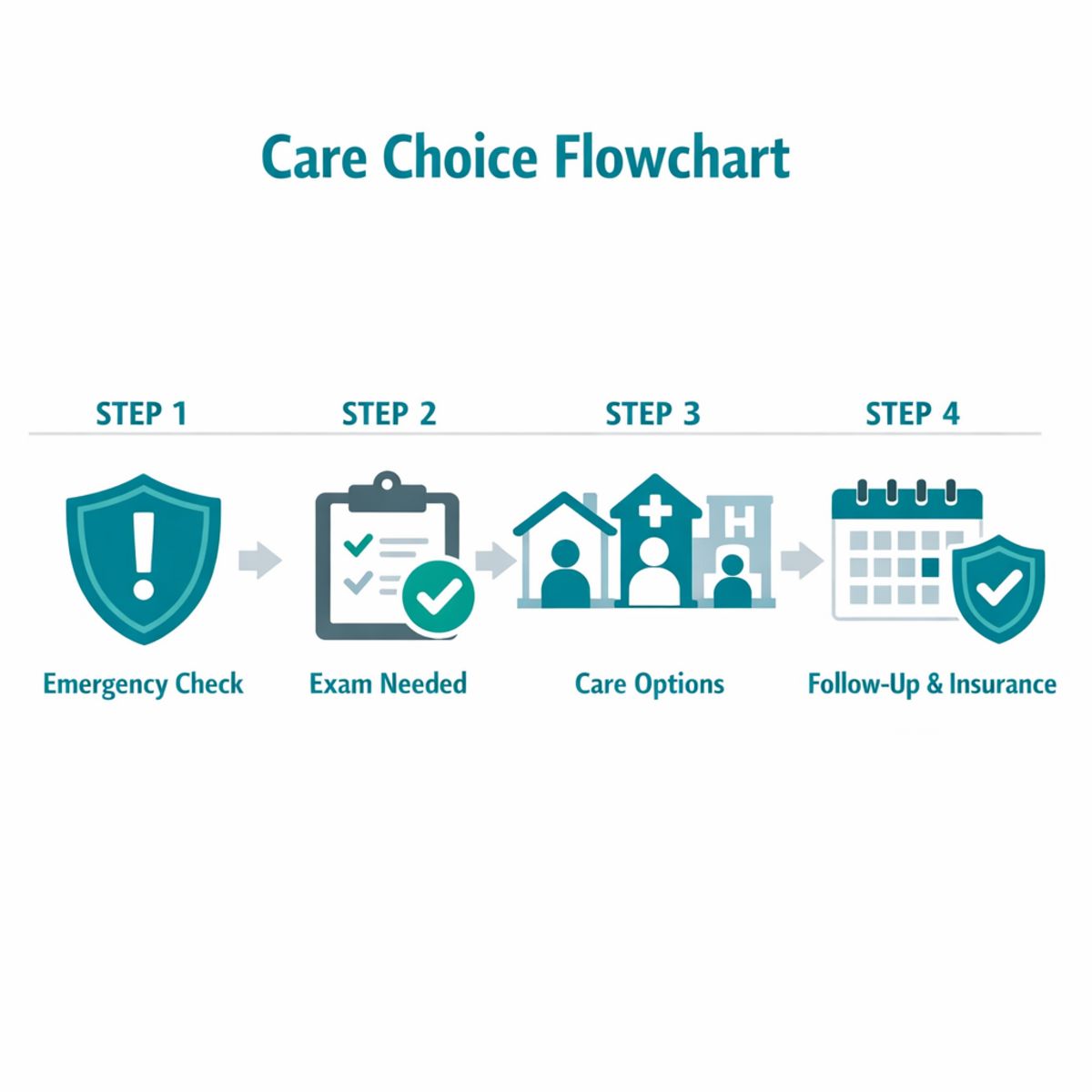
Choosing the right type of care starts with a simple, safety-first process. If you are deciding where to go for help, use these steps to think through urgency, whether an in-person exam may be needed, which setting best fits the situation, and practical details like insurance, availability, and follow-up. This framework can help you compare options without trying to diagnose yourself.
Step 1: Rule out emergencies first
Start by asking whether symptoms could be life-threatening. If someone has severe chest pain, trouble breathing, signs of stroke, severe bleeding, loss of consciousness, or another medical emergency, call 911 or go to the nearest emergency room right away. Do not wait for a routine appointment, home visit, or virtual visit when emergency care may be needed.
Step 2: Think about whether an exam may be needed
Next, consider whether your concern may require a physical exam, testing, or hands-on evaluation. Some issues may be appropriate for virtual care depending on your condition, especially when the main need is guidance, symptom review, or follow-up. Other concerns may be better assessed in person if a clinician may need to examine you directly, check vital signs, or decide whether additional testing is necessary. In some cases, virtual care through telemedicine visits may be a practical starting point.
Step 3: Match the setting to the situation
Compare the main care settings based on urgency, convenience, and what kind of support you may need:
- Primary care: Often a good fit for routine, ongoing, or non-urgent concerns, especially when continuity and follow-up matter.
- Urgent care facility: May be useful for same-day needs that are not emergencies but may still require in-person evaluation.
- In-home physician visits: May be helpful when convenience, mobility, comfort, or avoiding travel is an important factor.
- Telemedicine: May work well for certain concerns, depending on your condition and whether an in-person exam is likely to be needed.
Step 4 is to confirm the practical details before you book: check insurance coverage, appointment availability, location or travel needs, and whether follow-up care may be required. If your symptoms worsen, become severe, or start to feel urgent at any point, seek a higher level of care right away.
Cost, Insurance, and Practical Considerations
Before scheduling care, it helps to review a few practical details. Costs, accepted insurance plans, and out-of-pocket responsibility can vary based on the provider, the type of visit, and whether care is delivered through urgent care, in-home care, or telemedicine. Because coverage is not the same for every plan, it is a good idea to verify benefits directly with the provider and your insurance company before booking.
Coverage and pricing can vary
Ask whether the service is in network, what documentation may be needed, and whether there are separate charges related to the visit format. Confirming these details in advance can help avoid surprises and make it easier to compare options based on your situation.
It is also worth thinking through timing, transportation, mobility needs, and whether a family member or caregiver should be present for follow-up instructions. For some households, convenience and support at home may be important factors in deciding when medical house calls may help.

Frequently Asked Questions About Physician Urgent Care
What is physician urgent care?
Physician urgent care generally refers to urgent care services provided by a doctor, often alongside other licensed clinicians. It is designed for non-life-threatening illnesses and injuries that need prompt attention but may not require an emergency room. Exact services can vary by location, staffing, and your symptoms.
How is physician urgent care different from primary care?
Primary care focuses on long-term health management, preventive care, and ongoing relationships with patients. Physician urgent care is typically for same-day concerns that need timely evaluation. Urgent care doctors and ER physicians also work in different settings: urgent care handles less severe issues, while emergency physicians treat serious or potentially life-threatening conditions.
Do I need an urgent care appointment, or can I walk in?
Not always. Many urgent care centers accept walk-ins, while some also offer scheduled time slots to reduce waiting. Availability may depend on the clinic, time of day, and patient volume. If your symptoms are worsening quickly or seem severe, it may be safer to seek emergency care rather than wait for an appointment.
What happens during an urgent care physical exam?
A clinician will usually review your symptoms, medical history, medications, and vital signs, then perform a focused exam based on your concern. Some visits may include basic testing, such as swabs, urine tests, or imaging, if available and appropriate. The goal is to assess your condition and decide on next steps, not provide every type of specialty evaluation.
Can telemedicine replace an in-person urgent care visit?
Sometimes, but not always. Telemedicine can be helpful for certain symptom reviews, follow-up questions, or issues that do not require a hands-on exam, testing, or procedures. However, if you may need a physical exam, imaging, lab work, or treatment on site, an in-person urgent care visit is often more appropriate.
When should I choose the emergency room instead?
Choose the emergency room for symptoms that could be life-threatening or need immediate advanced care, such as chest pain, severe trouble breathing, stroke warning signs, major injuries, heavy bleeding, seizures, or sudden confusion. If you believe there is an emergency, call emergency services right away rather than going to urgent care first.
Need Non-Emergency Care Guidance? Contact House Call Doctor LA
If you need guidance for a non-emergency health concern, House Call Doctor LA can help you take the next step. You can contact the team to request an appointment, ask about in-home physician visits, or ask whether telemedicine may help for your situation.
Simple next steps
- Request an appointment for a non-emergency medical concern
- Ask whether an in-home visit or telemedicine may be more appropriate
- Confirm coverage, service details, and general scheduling options
If symptoms are severe, sudden, or life-threatening, call 911 or go to the nearest emergency room.
Key Takeaways on Physician Urgent Care
Physician urgent care can be a helpful option when you need prompt attention for a non-emergency concern and want an in-person medical evaluation. The best choice depends on your symptoms, the type of care you need, and the services available at the location you are considering.
A simple way to think about your options is this: primary care is often the right fit for ongoing health needs, preventive care, and follow-up over time. Telemedicine may be useful in selected situations when a virtual visit is appropriate. Urgent care may make sense for issues that should be assessed soon but do not appear life-threatening. The emergency room is the right setting for severe or potentially life-threatening symptoms.
A simple way to think about your options
If you are unsure where to go, focus on how serious the symptoms seem, whether an in-person physician evaluation may be needed, and whether the clinic’s scope of services matches the concern. That framework can help you make a more confident decision without overcomplicating the process.
Most importantly, trust the urgency of the situation. For chest pain, trouble breathing, signs of stroke, severe bleeding, or other life-threatening symptoms, seek emergency care right away. For less severe concerns, choosing the right setting can support timely, appropriate care.