
A medical doctor is a licensed physician who evaluates health concerns, helps patients understand their options, and guides the next steps for appropriate care. Patients often compare a doctor office, family medicine clinic, internal medicine clinic, urgent care center, and virtual care when deciding where to start. For many non-emergency situations, the right choice depends on the concern, the timing, and a physician’s evaluation. Telemedicine may be helpful for some non-emergency needs, but it is not a replacement for emergency services.
This article is designed to support non-emergency decision-making and give a clear overview of what patients should know before seeking care. A medical doctor may help assess routine questions, discuss symptoms in general terms, review medications, recommend follow-up, or direct you to in-person care when needed. If symptoms are severe, sudden, or life-threatening, call 911 or go to the nearest emergency room right away.
Why people search for a medical doctor
People commonly look for a medical doctor when they need routine care, have a new non-emergency concern, want follow-up after a recent visit, have questions about medications, or need help understanding where to go next. In the sections ahead, we’ll explain how different care settings may fit different situations, when virtual care may be appropriate, and why physician guidance can help patients access the most suitable care safely.
What Is a Medical Doctor?
A medical doctor is a licensed physician who evaluates health concerns, reviews symptoms and medical history, performs examinations, and recommends the next steps in care. In plain English, a doctor helps patients understand what may be causing a problem, what should be monitored, and what kind of treatment or follow-up may be appropriate.
Doctors often serve as the first point of contact for both new and ongoing health issues. They may assess common illnesses, manage chronic conditions, discuss prevention, and create treatment plans based on a patient’s needs. Depending on the setting, a physician may order testing, recommend imaging, prescribe medication when appropriate, or advise supportive care and monitoring. They also help patients decide when a concern can be managed at home, when it should be addressed promptly, and when specialist evaluation is needed.
Core responsibilities of a physician
A physician’s role usually includes assessment, prevention, treatment planning, and care coordination. That can mean checking symptoms, identifying possible causes, explaining options, and helping patients make informed decisions. Doctors also monitor progress over time, adjust plans when symptoms change, and provide education about healthy habits, screenings, and risk reduction. If a condition falls outside general care, they may refer patients to specialty services for more focused evaluation or procedures.
Where patients may see a doctor
Patients may see doctors in primary care offices, family medicine clinics, internal medicine practices, urgent care centers, hospitals, at home, or through virtual appointments. An internal medicine doctor may focus on adult health, while family medicine specialists often care for a wider range of ages and routine needs. Some concerns can be handled through telemedicine visits with House Call Doctor LA, especially when the issue can be discussed clearly without hands-on testing. Other situations require in-person exams, lab work, imaging, procedures, or referral to a specialist.

When to See a Medical Doctor
Knowing when to schedule a doctors appointment can help you get the right level of care at the right time. A medical doctor may be appropriate for many non-emergency concerns, especially when symptoms are persistent, recurring, unclear, or affecting daily life. Physician evaluation can also be important for medication questions, preventive care, follow-up after a recent illness, and ongoing management of chronic conditions. The goal is not to self-diagnose, but to recognize when a professional medical assessment may be the next reasonable step.
Routine concerns vs. urgent concerns
Routine or non-emergency reasons to seek medical care often include symptoms that are not improving after several days, symptoms that keep returning, new side effects after starting a medication, questions about prescriptions, preventive visits, and follow-up after an infection or recent hospital or urgent care visit. A doctor may also help determine whether additional testing, treatment changes, or referral to a specialist is needed.
Some situations may call for same-day evaluation rather than waiting for a standard appointment. If symptoms are worsening, causing significant discomfort, or creating concern that a condition could become more serious, urgent care or another prompt medical setting may be more appropriate.
When home or virtual care is not enough
In-home and telemedicine services can be useful within a defined scope, but they are not substitutes for emergency services. Some symptoms may require urgent care, emergency care, hospital evaluation, or specialist referral depending on the situation. Severe or rapidly worsening symptoms should not be managed by waiting for a routine doctors appointment alone.
If someone has severe chest pain, trouble breathing, signs of stroke, severe bleeding, loss of consciousness, seizure, major injury, or another potentially life-threatening emergency, call 911 or go to the nearest emergency room right away.
Medical Doctor vs. Family Medicine, Internal Medicine, Urgent Care, and Telemedicine
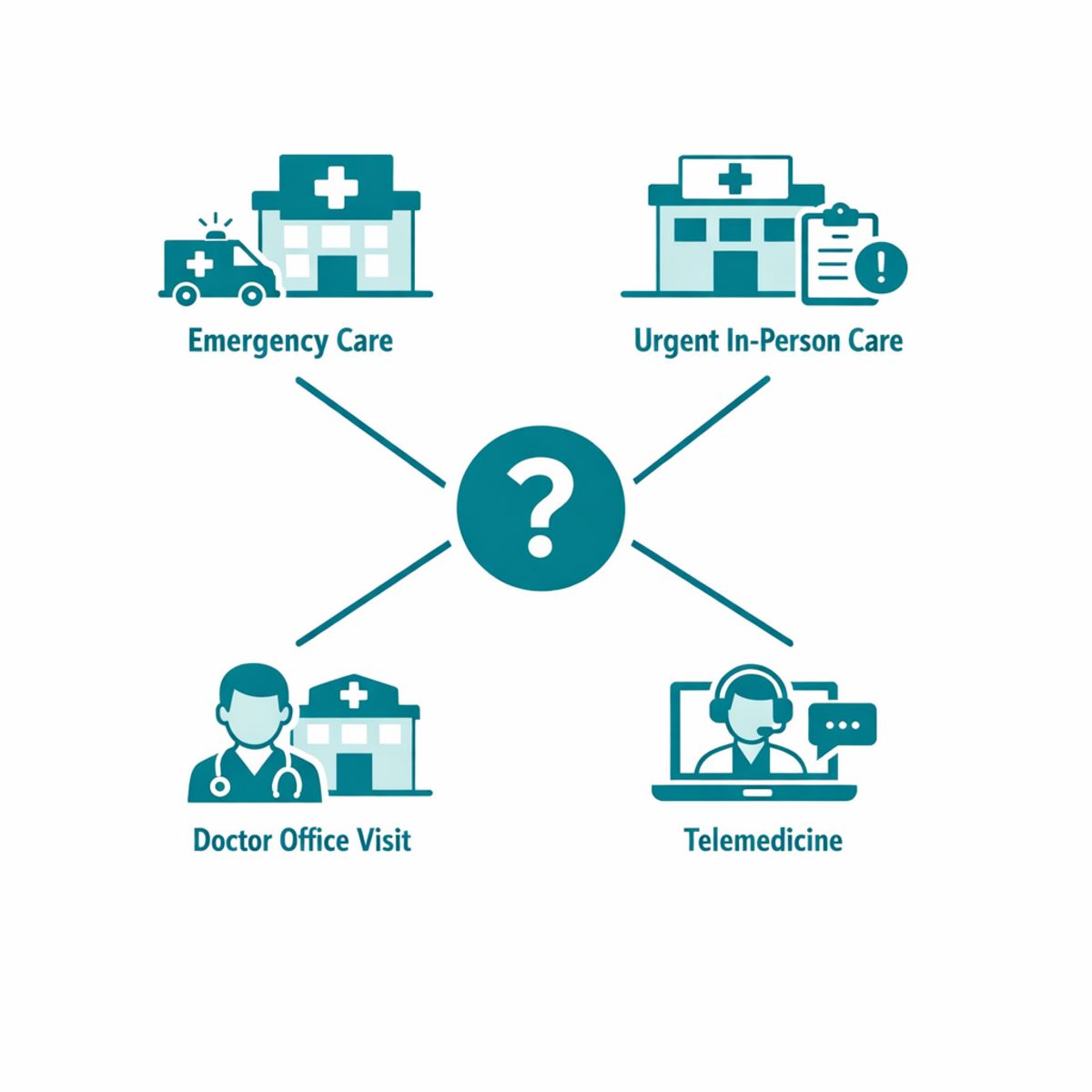
Choosing where to start can feel confusing because many care options sound similar. In broad terms, a medical doctor may work in different settings, and the best fit often depends on whether you need ongoing primary care, a prompt in-person visit, or convenient virtual guidance. Understanding the differences between a family medicine clinic, an internal medicine clinic, an urgent care center, and telemedicine can help you make a more confident decision.
Family medicine vs. internal medicine
Family medicine and internal medicine are both commonly connected with primary care, but they are not exactly the same. Family medicine specialists generally provide broad, ongoing care across life stages, which is why many people think of a family medicine clinic as a long-term home base for routine visits, preventive care, and common health concerns. Internal medicine, by comparison, is often focused on adult patients and may be a strong fit for adults looking for continuing care, chronic condition management, wellness visits, and coordination of next steps when needed.
For many patients, the practical takeaway is that both settings can support regular care and help with everyday medical needs. The difference is less about which one is “better” and more about which one matches your age, preferences, and care history. If you want a consistent place for checkups, medication discussions, preventive care, and follow-up over time, either a family medicine clinic or an internal medicine doctor may be an appropriate starting point depending on your situation.
When urgent care may be the better fit
An urgent care center is usually designed for time-sensitive, non-emergency concerns that may need prompt in-person evaluation. This can include situations where waiting several days for a routine office visit may not feel practical, but the issue does not appear life-threatening. Urgent care often fills the gap between scheduled primary care and the emergency room by offering access to hands-on assessment, basic testing, and treatment for selected non-emergency issues.
Urgent care can be especially useful when an in-person exam matters, or when testing, imaging, or a procedure may be needed to guide care. It is not the same as emergency care, and it is not always the best place for ongoing health management. If you are unsure how urgent care compares with emergency services, reviewing urgent care or ER care differences may help clarify the decision. For emergencies, call 911 or go to the nearest emergency room right away.
Where telemedicine fits
Telemedicine refers to virtual care by video or phone for selected concerns. It can be a convenient option for follow-ups, medication discussions, care guidance, and certain non-emergency issues, depending on the condition and what the clinician needs to evaluate. For patients who want faster access, fewer travel barriers, or support deciding what kind of care to seek next, telemedicine can be a practical first step.
At the same time, telemedicine has clear limits. A virtual visit cannot replace every type of care, and some concerns require a hands-on exam, vital signs, testing, imaging, procedures, hospital care, or specialist evaluation. That is why telemedicine is best understood as one tool within a larger care system rather than a universal substitute for in-person medicine. It is also different from an in-home physician visit, where a doctor can evaluate you face to face in your location.
If your main goal is choosing the right starting point, think in simple terms: primary care settings such as family medicine and internal medicine are often best for ongoing care, urgent care is often best for prompt non-emergency in-person needs, and telemedicine is often best for convenience, follow-up, and guidance when a virtual format is appropriate.

Benefits of Seeing a Medical Doctor for Non-Emergency Care

For many non-emergency health concerns, seeing a medical doctor may help you get a clearer understanding of what is going on and what to do next. Rather than relying on guesswork, a physician can evaluate your symptoms, medical history, and current medications to offer guidance that fits your situation. Depending on your condition, that may include home care advice, follow-up recommendations, or a decision that in-person testing or treatment would be more appropriate.
A doctor visit can also support informed decision-making. When symptoms are uncomfortable but not severe, patients often want to know whether they should monitor the issue, adjust a routine, or seek additional care. Physician-guided evaluation may help identify possible causes, rule out some concerns, and explain warning signs that should prompt faster attention. This kind of professional input can be especially valuable when you want practical next steps without overreacting or delaying care unnecessarily.
Clear guidance and next steps
One of the main benefits of seeing a doctor is receiving personalized guidance based on physician assessment. That may include advice on symptom management, hydration, rest, over-the-counter medication considerations, or whether your symptoms suggest the need for an in-person exam. If telemedicine is appropriate for your concern, it may also offer added convenience by helping you speak with a physician from home and avoid unnecessary travel for selected issues.
Doctors can also help patients understand what to watch for over time. If symptoms change, persist, or become more concerning, follow-up instructions may make it easier to decide when to seek another evaluation. This can improve confidence in the next step while keeping expectations realistic and centered on your individual needs.
Continuity and coordination of care
Medical care is often most helpful when it connects the immediate concern with your broader health picture. A doctor may review medications for possible interactions or side effects, discuss preventive care needs, and recommend follow-up based on your age, history, and symptoms. When needed, they can also refer you to another provider or care setting for additional evaluation.
This continuity can make care feel more organized and less overwhelming, especially if multiple health factors are involved. It may also support trust by giving you a consistent framework for questions, records, and referrals. For patients who value thoughtful, patient-centered care, understanding how medical ethics supports patient trust can provide added context for why physician guidance matters.
How to Decide What Kind of Doctor Visit You May Need
Choosing the right care setting often starts with a few practical questions: How urgent does the problem seem? Could you need an exam, testing, or treatment in person? Or might telemedicine be enough for guidance on a non-emergency concern? This high-level framework can help you think through the options while remembering that severe or rapidly worsening symptoms should be treated as urgent. If you are exploring virtual doctor visit options for non-emergencies, it can also help to understand when telemedicine may fit and when in-person care may be more appropriate.
Step 1: Rule out emergencies first
Start with urgency. If symptoms seem severe, life-threatening, or suddenly worsening, call 911 or go to the nearest emergency room. Examples can include major injury, severe trouble breathing, chest pain, or other symptoms that feel dangerous or unstable. Telemedicine, a routine doctor office visit, or even urgent care may not be the right first stop when immediate emergency evaluation is needed.
Step 2: Consider whether hands-on care may be needed
Next, think about whether the concern may require a physical exam, lab testing, imaging, or a procedure. If a clinician may need to listen, examine, test, or treat you in person, a doctor office or urgent care visit may make more sense than telemedicine. In general, urgent care may be worth considering for same-day, non-life-threatening issues that seem too time-sensitive to wait for a routine appointment, while a primary care office may be appropriate for less urgent concerns that still need in-person evaluation.
Step 3: See whether telemedicine may fit
Telemedicine may be appropriate for some follow-up questions, medication discussions, minor non-emergency concerns, or general care guidance, depending on physician evaluation. It can be a convenient option when you need timely input but may not need hands-on care right away. That said, telemedicine is not the same as an in-home visit, and some concerns cannot be fully assessed or treated virtually. Availability, next-step recommendations, and insurance coverage can also vary by provider and plan.
Step 4: Prepare for a smoother appointment
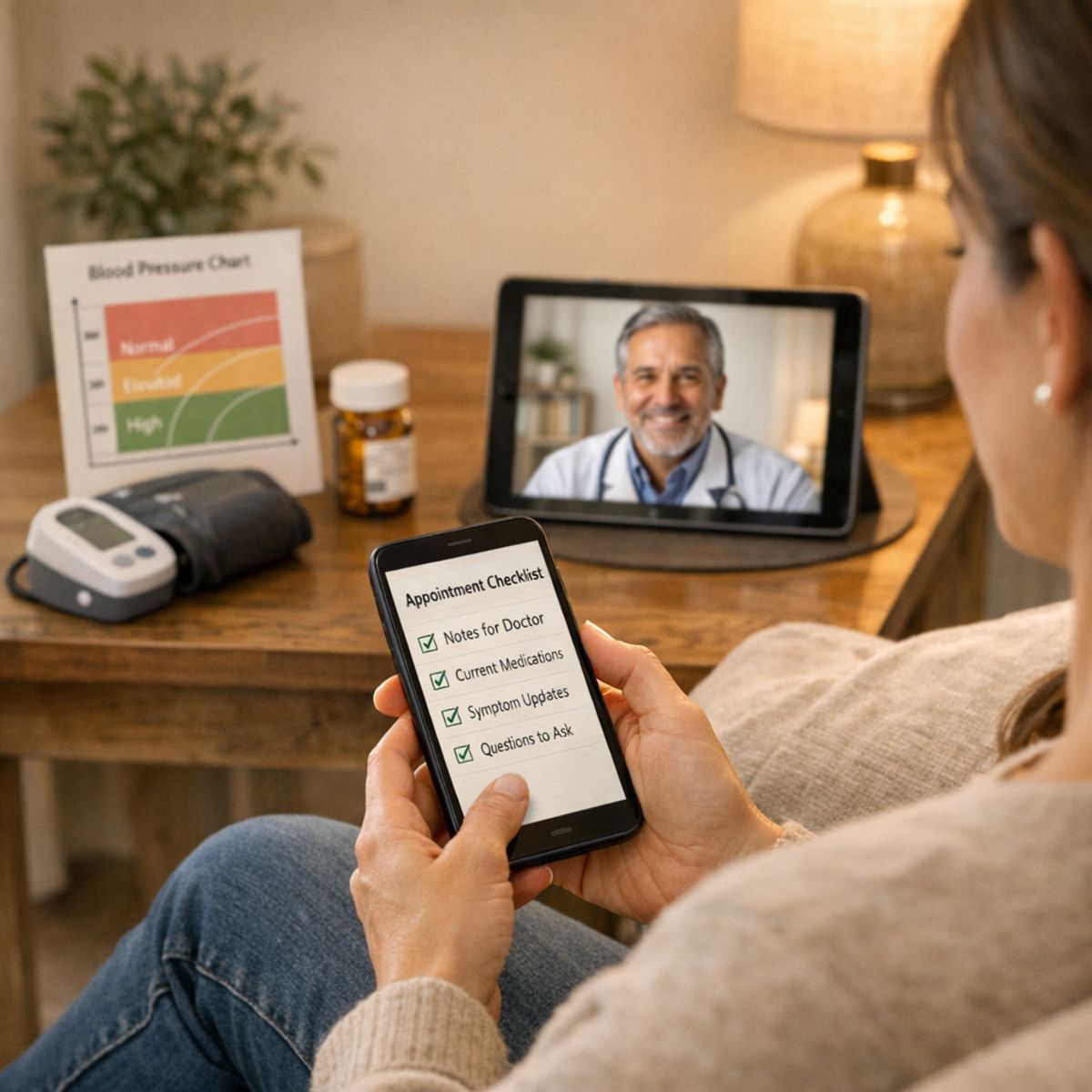
Before booking, gather the basics: when symptoms started, whether they are changing, your current medications, allergies, relevant medical history, and any questions you want to ask. If you have recent records, test results, or photos that may help provide context, keep them ready. A clear timeline can make any visit—virtual or in person—more efficient and more useful.
Step 5: Check logistics before you confirm
Finally, verify insurance coverage, scheduling availability, and the type of visit being offered before you book. If your situation changes or starts to feel more urgent, it may be wise to seek a higher level of care. The goal is not to self-diagnose, but to choose the care setting that best matches the level of urgency and the likelihood that you may need in-person evaluation.
Cost, Insurance, and Practical Considerations
Practical details often play a major role in deciding when and how to seek care. Insurance coverage can vary based on your specific plan, the type of visit, and whether telemedicine benefits apply. Before scheduling, it is a good idea to confirm important details such as covered services, copays, deductibles, and any referral or prior authorization requirements directly with your insurance company or provider.
Insurance and coverage may vary
Coverage is not the same for every patient, even within the same insurer. Benefits may differ for urgent visits, follow-up appointments, and virtual care. Checking these details in advance can help you avoid surprises and make a more informed scheduling decision. If you are considering telemedicine, you may also want to verify whether your plan includes virtual visit eligibility and whether any technology-related requirements apply.
Availability and follow-up needs
Appointment availability depends on current demand and clinician scheduling, so same-day service cannot be guaranteed. Some concerns may also require in-person evaluation, testing, or follow-up after an initial visit. For telemedicine, practical considerations include having a reliable internet connection, access to a private space for the visit, and the ability to complete any recommended next steps afterward. Planning for these factors ahead of time can make the process smoother and help set realistic expectations.
Questions to Ask Before Booking a Doctor’s Visit
Before booking, it helps to run through a short checklist so you choose the right type of care and arrive prepared. If your concern seems appropriate for virtual care, you may be able to schedule a telemedicine visit online and save time.
A quick pre-visit checklist
- Is telemedicine appropriate for my concern, or do I likely need an in-person doctor’s visit?
- Will I need testing, imaging, or a hands-on exam that cannot be done from home?
- What records, medications, photos, or symptom notes should I have ready before the appointment?
- Does my insurance cover this visit type, whether virtual care, urgent care, or a doctor office appointment?
- How quickly can I be seen, and what is the best option if timing matters?
- What should I do if symptoms worsen before or after booking?
- Do I know where to go next if the provider recommends follow-up care or an in-person evaluation?
What to Look for in a Trusted Medical Provider
Choosing a trusted medical provider often comes down to how well they communicate, how respectfully they treat patients, and how clearly they explain what happens next. Patients should feel comfortable asking questions, describing symptoms, and discussing concerns without feeling rushed or dismissed. A reliable provider listens carefully, documents details accurately, and gives practical guidance that helps patients understand their care plan.
Communication and follow-up matter
Good care includes clear explanations, realistic expectations, and follow-up instructions that are easy to understand. Whether the visit is in person, at home, or through telemedicine when clinically appropriate, patients often value knowing when to monitor symptoms, when to seek urgent care, and when additional testing may be needed.
Privacy and professionalism
Professionalism also shows up in privacy practices, respectful bedside manner, and ethical decision-making. A dependable medical provider protects confidential information, offers informed guidance, and makes appropriate referrals when a patient needs a specialist or higher level of care. Trust is built through consistency: listening carefully, communicating clearly, and following through on care recommendations without overpromising outcomes.
Frequently Asked Questions About Medical Doctors and Telemedicine
What does a medical doctor do?
A medical doctor evaluates symptoms, reviews medical history, helps identify possible causes, and recommends treatment or next steps. They may also provide preventive care, monitor ongoing conditions, prescribe medications when appropriate, and refer patients to specialists when needed.
Is a medical doctor the same as a primary care doctor?
Not always. A primary care doctor is one type of medical doctor focused on general health, preventive care, and common medical concerns. Other medical doctors may work in specialties such as cardiology, dermatology, or emergency medicine.
When should I choose telemedicine instead of an in-person doctor’s visit?
Telemedicine may be helpful for some non-emergency concerns, follow-up visits, medication discussions, and review of mild symptoms. It may not be appropriate when a physical exam, testing, imaging, or hands-on treatment is needed. The doctor can advise whether in-person care is the better next step.
Can telemedicine replace urgent care or emergency care?
No. Telemedicine does not replace emergency care. If you have severe chest pain, trouble breathing, signs of stroke, major injury, or another emergency, call 911 or go to the nearest ER right away. Some urgent problems also still need in-person evaluation. It may help to review how to choose urgent care or ER.
What should I prepare before a virtual visit?
Have a list of your medications, allergies, symptoms, and when they started. It also helps to note any recent temperature readings, blood pressure readings, or home test results if available. Keep your insurance information ready and write down questions you want to ask.
These answers are general and may not fit every situation. Some concerns require in-person care or specialist evaluation, even if a virtual visit is the first step.
When You Want Convenient Access to a Medical Doctor
Telemedicine may be a practical next step when you have a non-emergency concern, a follow-up question, or need guidance on what kind of care makes sense for your symptoms. It can offer a convenient way to speak with a medical doctor from home, but whether it is appropriate depends on the condition, your symptoms, and the physician’s evaluation.
Some health issues are not suitable for virtual care and may require an in-person exam, urgent evaluation, or hospital treatment. If you are experiencing severe symptoms or believe you may have an emergency, seek emergency care right away rather than waiting for a telemedicine visit.
Request the right kind of care
If you would like to ask about telemedicine for a non-emergency need, contact House Call Doctor LA to request an appointment. The team can help you take the next step based on your situation and whether virtual care may be appropriate.
Choosing the Right Medical Doctor Visit Starts With the Right Setting
A medical doctor helps evaluate symptoms, guide treatment, and coordinate the next steps in your care. In many cases, telemedicine can be a practical option for selected non-emergency concerns, especially when a conversation, history review, or follow-up is needed. At the same time, some symptoms and conditions require an in-person exam, testing, or emergency care.
A simple takeaway for patients
The right visit type depends on how urgent the problem is, whether hands-on evaluation may be needed, and what a physician needs to assess safely. When you are unsure, choosing appropriate care promptly can help you get clearer answers and the right support without unnecessary delay.