
A flu vaccine is a seasonal vaccine designed to help protect against influenza, and this guide explains the basics in clear, general terms. If you are wondering who should consider a flu vaccine, when to get it, or what side effects are common, this article offers a practical overview to help you understand the topic before speaking with a qualified clinician.
Because flu viruses change and individual health needs differ, recommendations are not exactly the same for everyone. Age, pregnancy, underlying medical conditions, allergy history, and a physician evaluation can all affect what is advised. That is why this content is educational rather than personal medical advice, diagnosis, or treatment guidance.
You will also find simple explanations of why the flu vaccine comes up every flu season, what people often ask about effectiveness, and what mild flu shot side effects may happen after vaccination. The goal is to make the subject easier to understand without overcomplicating it.
If you or someone else has severe or life-threatening symptoms, call 911 or go to the nearest emergency room right away. For questions about your own risks, timing, or vaccine options, seek individualized advice from a licensed healthcare professional.
What the Flu Vaccine Is and What It May Help Prevent
A flu vaccine is a preventive shot or nasal vaccine designed to help your immune system recognize and respond to influenza viruses that experts expect to circulate during a given flu season. In plain language, it is meant to help lower the chance of getting sick from the flu and may reduce the risk of severe illness, hospitalization, or certain complications, depending on the person and the season. It is important to know what it does not do: a flu vaccine does not diagnose influenza, and it does not treat an active illness once you are already sick.
Influenza is not the same thing as a common cold, even though some symptoms can overlap. Both can cause cough, fatigue, congestion, or a sore throat, but the flu often comes on more suddenly and may cause fever, body aches, chills, and a stronger overall sense of feeling unwell. Still, symptoms alone cannot confirm whether someone has influenza, a cold, or another respiratory illness. That is one reason vaccination is described as prevention rather than treatment: it is a step taken before exposure or before illness develops.
Influenza vs. a Common Cold
Because flu symptoms can resemble other illnesses, it is not always possible to tell the difference based only on how you feel. A cold may be milder for many people, while influenza can be more intense and may lead to more serious complications in some patients. If symptoms are severe, unusual, or worsening, a medical evaluation may be needed rather than assuming it is “just the flu” or “just a cold.”
Why the Vaccine Changes From Year to Year
Flu viruses change over time, so seasonal vaccines are updated to better match the strains experts believe are most likely to spread. This can include planning for a new flu strain in general terms when surveillance suggests it may matter for the upcoming season. That yearly update is why the flu vaccine is recommended as a seasonal preventive measure rather than a one-time treatment or permanent fix.

Potential Benefits of Getting a Flu Vaccine
For many people, the main reason to consider a flu vaccine is practical: it may lower the risk of more serious illness during flu season, even though it does not guarantee that someone will avoid getting sick. The degree of benefit can vary based on age, overall health, and how closely the vaccine matches circulating strains, but vaccination is often part of a broader prevention plan.
Benefits for Individuals
A flu vaccine may help reduce the chance of severe flu-related complications, including illness serious enough to disrupt daily life or require more intensive medical care. For some adults, that can mean a lower likelihood of missed work, interrupted school schedules, or canceled travel plans. It can also offer peace of mind during times of higher exposure, such as busy workplaces, public transit use, or seasonal gatherings.
It is also important to keep expectations realistic. People can still get the flu after vaccination, but the severity of symptoms and the risk of complications may differ. That balanced view helps many readers compare convenience and prevention options in a way that fits their health needs and routines.
- May reduce the risk of severe illness, depending on the person
- Can support fewer disruptions to work, school, and family plans
- May be especially useful during periods of increased seasonal exposure
- Can be one part of a broader prevention strategy alongside hygiene and staying home when ill
Benefits for Families and Close Contacts
Vaccination can matter beyond the individual. In households, workplaces, and other shared spaces, reducing the overall burden of illness may help protect people who are more vulnerable to complications, such as infants, older adults, pregnant people, and those with chronic health conditions. While no vaccine can promise complete protection for everyone around you, many people choose vaccination as a practical step when they spend time with higher-risk loved ones.
People who may especially benefit from discussing vaccination with a clinician include adults with chronic conditions, pregnant patients, caregivers of infants or older relatives, and anyone who wants personalized guidance on prevention options. If questions come up after an appointment, telemedicine visits for follow-up questions may offer a convenient way to review next steps.

Who Should Consider a Flu Vaccine and When to Ask a Doctor
In general, many people ages 6 months and older are commonly advised to discuss seasonal flu vaccination with a physician, based on current guidance and individual health factors. That broad recommendation can include healthy adults, children, older adults, and people who help care for others. Even so, recommendations can vary, so a physician review is important when questions about timing, medical history, or prior reactions come up.
Some groups are often encouraged to be especially proactive about asking about flu vaccination. This can include older adults, young children, people living with chronic conditions such as heart, lung, or metabolic concerns, and caregivers who spend time around higher-risk family members. The preparation checklist later in this guide can help you bring the right information and questions to your appointment.
Flu Shot While Pregnant: Common Questions
Questions about a flu shot while pregnant are common, and many pregnant patients are advised to discuss vaccination with their clinician as part of routine seasonal care. Flu illness can be more serious during pregnancy, which is why this topic often comes up early in prenatal conversations. Supportive, individualized guidance matters here, because the right recommendation depends on personal health history, current pregnancy care, and physician judgment.
If you are pregnant or planning pregnancy during flu season, it is reasonable to ask about timing, any recent illnesses, and how your overall care plan may affect the decision. The goal is not to self-diagnose or guess, but to get advice that fits your situation.
When a Medical Review Is Especially Important
A physician review is especially important if you have had a prior severe allergic reaction, a past vaccine reaction, uncertainty about your vaccine history, a complex medical condition, or a current illness that may affect scheduling. These are not automatic reasons to avoid care, but they are good reasons to ask for individualized guidance before moving forward.
It can also help to speak with a doctor if you are unsure which vaccine type is appropriate for your age or health status, or if you are coordinating care for a child, older adult, or someone with chronic conditions. A brief review can clarify next steps and help make sure the plan is appropriate for your needs.
How to Time Your Flu Vaccine for the Season

If you are wondering when you should get a flu shot, the best approach is to plan around the flu season in a practical, flexible way. Timing can depend on local vaccine availability, your routine, and personal health factors. The goal is to get vaccinated before flu activity increases in your area when possible, while remembering that getting vaccinated later can still be worthwhile during an active season.
1. Check current seasonal guidance and availability.
Start by looking at current recommendations for the season and confirming when appointments or walk-in vaccines are available near you. Guidance can vary slightly from year to year, so it helps to use up-to-date information rather than relying on a fixed calendar date from a past season.
Plan Ahead Before Flu Activity Peaks
2. Aim to get vaccinated before flu activity rises.
For many people, earlier planning makes it easier to fit vaccination into work, school, or family schedules. If you know the fall months get busy, consider booking ahead so you are not scrambling once illnesses begin to spread more widely. This does not mean there is one perfect date for everyone, but it does mean planning early can reduce delays.
3. Factor in your personal situation.
Think about upcoming travel, frequent contact with children, household exposure, pregnancy care, or chronic health conditions that may make timing more important for you. If you have a packed work season, a school deadline, or prenatal visits already scheduled, it may help to coordinate your flu vaccine with those plans.
Is It Too Late to Get Vaccinated?
4. Ask about timing if you are sick or recently had another vaccine.
If you are currently ill, recovering, or have questions about spacing with another vaccine, check with a clinician for guidance. They can help you decide whether to proceed now or wait briefly based on your symptoms and care plan.
If the season is already underway, it may still make sense to get vaccinated. Later vaccination can still offer value while flu is circulating, especially if you have not yet had your shot. In short, the best time to get a flu vaccine is often before flu activity picks up, but not getting it early does not always mean you missed your chance.
How to Prepare for Your Flu Shot Visit
A little preparation can make a flu shot visit quicker and easier, whether it takes place in a clinic, a pharmacy, or at home. Having your information ready helps the clinician review your history and confirm that vaccination is appropriate that day.
Before the Appointment
- A current list of prescription medicines, over-the-counter products, and supplements
- Any allergy history, especially past reactions to a vaccine
- Your vaccine history, including when you last had a flu shot
- Notes on any current symptoms, fever, or recent illness, so you can ask whether timing should change
- Insurance information and a photo ID, if requested
- A short-sleeve shirt or loose layer for easy access to your upper arm
Questions Worth Asking
- Which flu vaccine type fits my age and health history?
- Is today a good day for vaccination if I have been sick recently?
- Can I receive other vaccines at the same visit?
- Which reactions are expected, and which ones should prompt a call?
After the Shot
Plan a few quiet minutes afterward, since providers usually observe patients briefly after vaccination. Follow any aftercare instructions you receive, and keep the clinic or physician contact details handy in case questions come up later.
If travel to a clinic is difficult, for example for older adults, people with limited mobility, or busy households, House Call Doctor LA offers in-home flu shots in Los Angeles, subject to physician evaluation and availability.
Common Flu Shot Side Effects and What to Expect After Vaccination
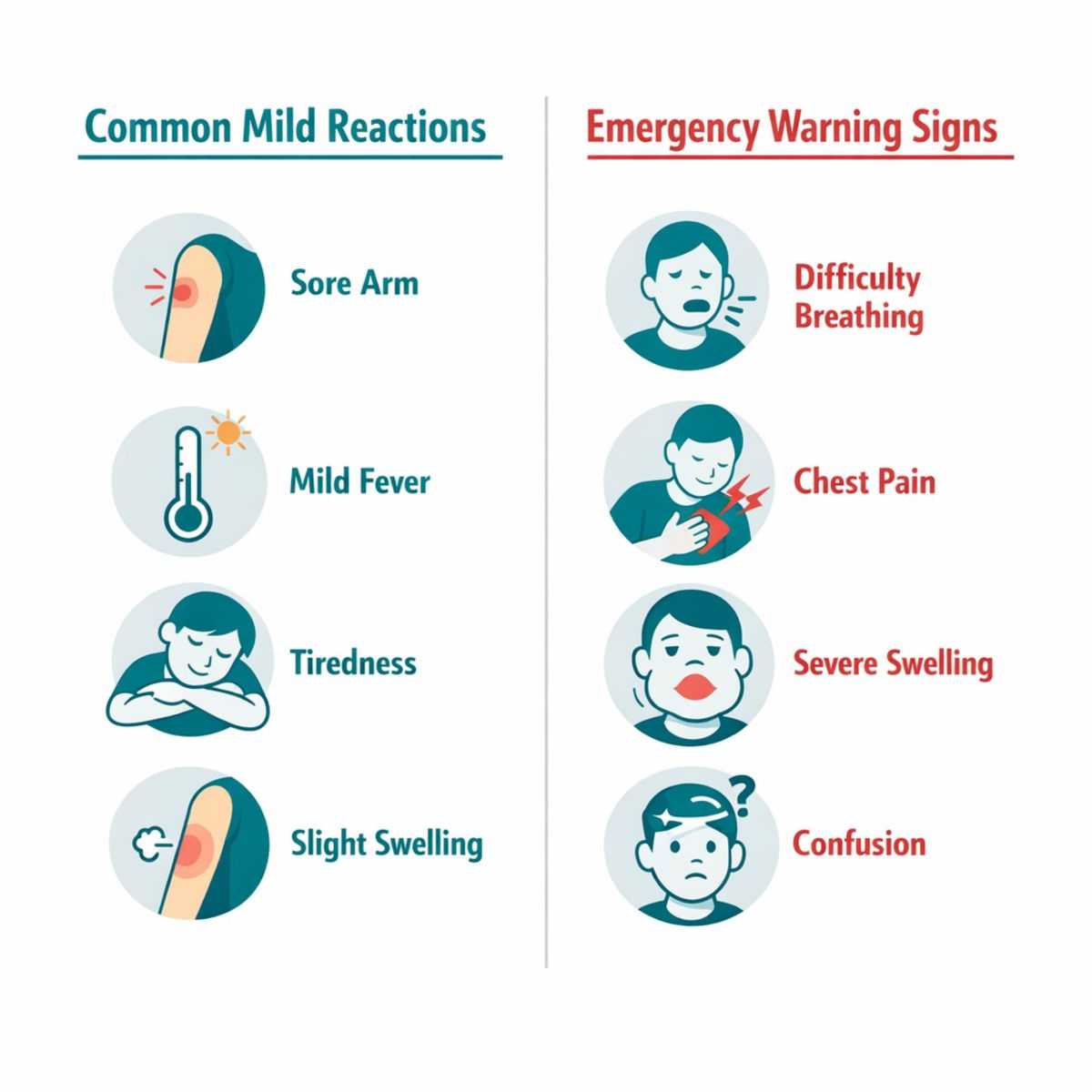
Most flu shot side effects are mild, short-lived, and a normal sign that your body is responding to the vaccine. Common reactions can include soreness, redness, or slight swelling where the shot was given, along with mild fatigue, headache, muscle aches, or a low-grade fever. Some people notice very little after vaccination, while others feel run down for a day or two. Side effects of flu shot can vary by person based on age, overall health, immune response, and the type of vaccine received.
In many cases, simple self-care is enough: rest, drink fluids, and follow any instructions from your clinician. If your arm is sore, gentle movement may help. It is still important to pay attention to how you feel afterward and to seek medical advice if symptoms seem unusual, worsen, or last longer than expected.
Common Mild Reactions
Typical mild reactions after a flu shot may include:
- Soreness or tenderness at the injection site
- Mild redness or swelling
- Tiredness or mild fatigue
- Headache
- Low-grade fever or mild body aches
These symptoms usually start within a day of the shot and fade within one to two days. They are often manageable at home, but everyone’s experience is different. If symptoms last longer than a couple of days, get worse instead of better, or you are unsure whether what you are feeling is expected, check with a healthcare professional.
When Symptoms Need Urgent or Emergency Attention
Some symptoms should not be treated as routine flu shot side effects. Severe breathing problems, chest pain, fainting, swelling of the face or throat, widespread hives, confusion, or signs of a serious allergic reaction require emergency care right away. Call 911 or go to the nearest emergency room for life-threatening symptoms. In-home care and telemedicine are not substitutes for emergency services in these situations.
If symptoms feel urgent but not clearly life-threatening, it may help to understand how to choose the right care. When in doubt, err on the side of prompt medical evaluation.
Warning: Mild soreness, fatigue, or a low-grade fever can happen after vaccination, but severe breathing trouble, chest pain, fainting, or signs of a serious allergic reaction need emergency attention immediately.
Flu Vaccine vs. Waiting Until You Have Flu Symptoms
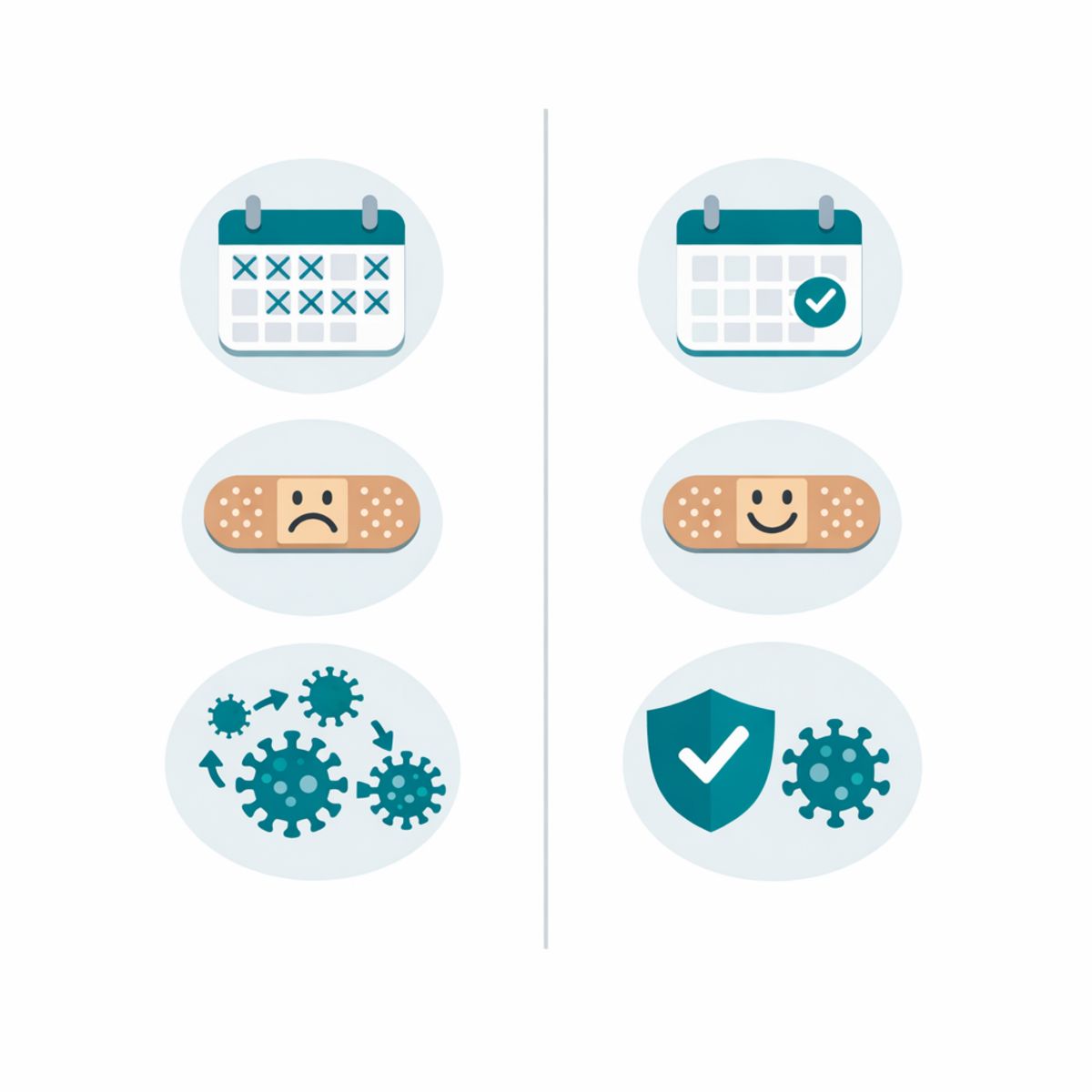
A flu vaccine and medical care for flu symptoms serve different purposes. Vaccination is a preventive step taken before illness starts, while symptom evaluation happens after you begin feeling unwell. Comparing the two can help you plan ahead and know what to do if cough, fever, body aches, or fatigue develop later on.
Prevention Is Different From Treatment
Prevention focuses on reducing risk before exposure or illness. Treatment or evaluation, on the other hand, is about understanding symptoms once they appear and deciding what kind of care is appropriate. That distinction matters because symptoms alone do not confirm influenza. Many illnesses can look similar at first, including colds, COVID-19, and other viral infections.
If you wait until symptoms begin, the goal shifts from prevention to assessment and supportive care guidance. Some people may need an in-person exam based on symptom severity, underlying conditions, breathing concerns, dehydration, or how quickly symptoms are worsening. Others may be appropriate for virtual care for non-emergency symptoms, depending on their situation and a physician’s assessment.
In practical terms, vaccination is part of a prevention plan, while developing flu symptoms is a reason to consider timely medical evaluation rather than self-diagnosing from a symptom list. If illness develops, the right next step depends on the person, the symptoms, and the level of care needed.
Flu Vaccine Cost, Insurance, and Access Questions
Flu vaccine pricing, insurance coverage, and any related visit fees can vary based on the provider, your health plan, and the type of appointment you choose. If you are comparing options, it is a good idea to confirm details in advance rather than assume the same pricing or benefits apply everywhere.
Before scheduling, ask what is included in the visit, whether there are separate charges for evaluation or administration, and whether in-home care and telemedicine are covered differently under your plan when relevant. This can help you understand potential out-of-pocket costs and avoid surprises.
Verify Coverage Before You Schedule
A quick call to your insurer or provider can clarify eligibility, network status, and appointment-specific details. If documentation may be needed for reimbursement or plan review, this letter of medical necessity guide may also be helpful to review.
Quick Answers to Common Flu Vaccine Misunderstandings
Myth-Style Questions Readers Ask Most
Can the flu vaccine give you the flu?
The flu vaccine cannot cause flu illness in the usual sense. Some people notice mild, short-lived symptoms afterward, but that is different from getting influenza itself.
Why do some people feel off after the shot?
Mild soreness, fatigue, or a low fever can happen as the body responds. These effects are usually temporary and do not mean the vaccine caused the flu.
Why is yearly vaccination often recommended?
Flu viruses can change over time, and protection may lessen. That is why seasonal vaccination is discussed each year, even for people who had a prior flu shot.
Why does a new flu strain matter?
When circulating strains shift, seasonal vaccine recommendations may also change. The goal is to better match expected viruses, though no vaccine offers perfect protection.
Where can I read more about common vaccine concerns?
For broader context, see what to know about vaccine questions.
Flu Vaccine FAQs
When is the best time to get a flu vaccine?
The best time is usually before flu activity begins to rise in your area, since, according to the CDC, protective antibodies develop about two weeks after vaccination. Even if the season is already underway, getting vaccinated later may still be helpful depending on local flu activity and your situation.
Can you still get sick after a flu shot?
Yes, it is still possible to get sick after vaccination. The flu shot does not guarantee you will avoid all illness, but it may reduce the risk of flu and can help lower the chance of more serious complications if you do get infected.
What are the most common flu shot side effects?
Common side effects are usually mild and may include soreness where the shot was given, tiredness, headache, or a low-grade fever for a short time. Seek urgent medical help right away if there are signs of a severe allergic reaction, such as trouble breathing, swelling of the face or throat, or severe dizziness.
How long do flu shot side effects last?
Common reactions such as a sore arm, tiredness, headache, or a low-grade fever usually fade within one to two days. Contact a healthcare professional if symptoms last longer, get worse, or do not seem typical.
Can you get a flu shot if you feel mildly unwell?
A mild illness, such as a minor cold without fever, does not always mean you need to wait. If you have a fever or a moderate or severe illness, ask a clinician whether to postpone until you feel better.
Can you get a flu shot and a COVID-19 vaccine at the same visit?
Flu and COVID-19 vaccines protect against different viruses, so one does not replace the other. Vaccine recommendations can change from season to season, so ask a clinician whether both can be given at the same visit based on your age and health history.
Is it safe to ask about a flu shot while pregnant?
Yes, asking about flu vaccination during pregnancy is appropriate and important. A qualified healthcare professional can review your health history, answer questions about timing, and help you understand what is generally recommended for pregnancy.
Does the flu vaccine change every year?
Yes, the flu vaccine is updated regularly to better match the strains expected to circulate. That is one reason yearly vaccination is commonly recommended, even if you received a flu shot the previous season.
What should you do if you develop flu symptoms after vaccination?
Monitor your symptoms and consider speaking with a healthcare professional, especially if symptoms are significant, worsening, or you are at higher risk for complications. If you have emergency warning signs such as difficulty breathing, chest pain, confusion, or signs of dehydration, seek urgent medical care right away.
Can telemedicine help with non-emergency flu-related questions?
Yes, telemedicine can be a convenient option for non-emergency flu-related questions, including guidance on symptoms, next steps, and whether you may need in-person care. It can also help you decide how to manage mild illness while avoiding unnecessary exposure to others.
Ready to Ask About Flu Shots or Non-Emergency Care?
If you have questions about flu shots, preventive care, or non-emergency symptoms, you can contact the team to request an appointment or discuss your options. In-home physician visits and telemedicine for non-emergency care questions are different services, and the right fit depends on your condition and physician evaluation.
For urgent or life-threatening symptoms, call 911 or go to the nearest emergency room.
Call Now or Contact Us
Key Takeaways About the Flu Vaccine
The flu vaccine remains an important preventive tool that is updated for each flu season to better match the viruses expected to circulate. For many people, getting a flu vaccine is a practical step that can help reduce the risk of illness and support overall seasonal health planning.
As covered throughout this article, timing matters, benefits matter, and side effects matter too. In most cases, flu vaccine side effects are mild and short-lived, such as soreness, fatigue, or a low-grade fever. At the same time, severe symptoms or signs of a serious reaction should never be ignored and may require emergency medical care. Keeping both of those ideas in mind can help you approach vaccination with realistic expectations and confidence.
It is also worth remembering that recommendations are not always the same for every patient. Factors like pregnancy, current symptoms, past vaccine reactions, age, and personal health history can all shape the best next step. If you are unsure whether you should get vaccinated now or have questions about what applies to you, a conversation with a clinician can help you make an informed, patient-centered decision.
A Practical Prevention Conversation
In the end, the flu vaccine is not about pressure or one-size-fits-all advice. It is about understanding your options, weighing the benefits and possible side effects, and choosing the timing that makes sense for your situation. A calm discussion with a trusted medical professional can help clarify what is appropriate for you and support a thoughtful plan for flu season.