
The yellow fever vaccine helps protect certain travelers from a mosquito-borne viral illness found in parts of Africa and South America. Whether you may need it depends on where you are going, how long you will stay, the type of trip you are taking, your age, your health history, and a clinician’s assessment of your individual risk. In some cases, a destination may also require proof of vaccination for entry.
This guide explains the basics in clear, practical terms so you can plan ahead with confidence. You will learn what the vaccine is for, who may be advised to get it, when to schedule it before travel, what documentation may be involved, and what questions to ask during a travel health visit. Recommendations are not one-size-fits-all, so a medical professional should review your itinerary and personal risk factors before you make a decision.
We also cover common concerns such as side effects, medical exemptions, and how to prepare for your appointment. If you or someone else has urgent or life-threatening symptoms, call 911 or go to the nearest emergency room right away.
What this guide covers
Expect a straightforward overview of vaccine purpose, travel timing, possible side effects, exemptions, and simple steps to get ready for a vaccine appointment.
What the Yellow Fever Vaccine Is and Why It Matters
The yellow fever vaccine is a travel vaccine used to help protect eligible travelers against yellow fever exposure in places where the disease is present. In practical terms, it is part of travel health planning for people visiting certain regions, especially when destination risk, border entry rules, and itinerary details all need to be reviewed together before departure.
Not every traveler needs yellow fever vaccination. Recommendations can vary based on where you are going, how long you plan to stay, whether your trip includes rural areas, and whether a country on your route has its own entry requirements. That is why a travel clinic or clinician often looks at both health considerations and country-specific guidance rather than applying the same advice to every traveler.
A simple overview of yellow fever vaccination
A yellow fever vaccine appointment is usually about more than the shot itself. It is also a chance to review whether vaccination is appropriate for the individual traveler. Age, medical history, pregnancy status, immune status, and the details of the itinerary can all matter. For example, a short city stay may raise different questions than extended travel, remote destinations, or repeated border crossings.
This cautious, personalized approach helps travelers make informed decisions without assuming the vaccine is necessary or suitable for everyone. For people who want to discuss timing, destination planning, or next steps, telemedicine visits for travel health questions can be a convenient starting point.
Why documentation can matter for travel
Another reason the yellow fever vaccine matters is documentation. Some countries may require proof of vaccination in the form of an International Certificate of Vaccination or Prophylaxis, sometimes called a vaccination certificate. These requirements can depend on the country you are entering, where you traveled before arrival, and current public health policies.
Because travel rules can change, it is wise to confirm current requirements through official sources before your trip. A travel medicine review can help you understand whether yellow fever vaccination is recommended for health reasons, needed for documentation purposes, or both.

Who May Need the Yellow Fever Vaccine Before Travel
If you are wondering who needs yellow fever vaccine, the answer often depends on where you are going, how you are traveling, and your personal health history. Travelers visiting certain parts of Africa and South America may be advised to receive the vaccine for protection against infection, but not every trip carries the same level of risk. A travel health review can help determine whether vaccination is appropriate for your specific plans.
It is also important to understand that official guidance can change. Some destinations may update their entry policies, and public health recommendations may shift over time. Because of that, travelers should verify current requirements and medical guidance close to departure rather than relying on older lists of countries that require yellow fever vaccine.
Recommended for protection vs required for entry
A common point of confusion is the difference between a vaccine being recommended and being required. A recommendation usually means vaccination may help protect your health based on the risk of exposure at your destination. A requirement means a country may ask for proof of vaccination as part of its entry rules, sometimes even if your main destination is elsewhere.
For example, some travelers may need proof of vaccination because they are arriving from or passing through an area with yellow fever transmission. In other cases, a country may not require documentation, but a clinician may still advise the vaccine because the traveler plans to spend time in higher-risk settings. These are separate issues, and both should be reviewed before travel.
Travel details that can affect vaccine advice
Whether the yellow fever vaccine is advised can depend on several itinerary details, including:
- Your exact destination, including whether you will be in an area with known transmission
- Layovers or border crossings that may trigger entry documentation rules
- Rural travel, jungle or outdoor activities, and mosquito exposure
- Length of trip and how much time you will spend in higher-risk environments
- Timing before departure, since travel vaccines often need to be planned in advance
Age and medical history matter too. Some travelers, including those with certain health conditions or other risk factors, may need a more individualized discussion about whether the vaccine is appropriate, whether precautions alone may be enough, or whether alternatives should be considered. That is why early planning is helpful, especially for complex itineraries.
In short, the question is not only whether a destination appears on a map of risk areas, but also whether your route, activities, and health profile make vaccination advisable or necessary. Reviewing your plans well before departure can help you avoid last-minute surprises and make informed travel health decisions.

When to Get the Yellow Fever Vaccine and What to Expect

If you are wondering when to get yellow fever vaccine before travel, the safest approach is to start planning well ahead of your departure date. Travel vaccine appointments can involve more than a quick shot, and the process may include reviewing your itinerary, confirming whether the vaccine is appropriate for your plans, and making sure any required documentation is handled properly. Because travel needs differ from person to person, it helps to avoid last-minute assumptions.
Why early planning matters
Early planning gives you more room to schedule a visit, discuss your travel details, and prepare for any paperwork that may be relevant to your destination. Appointment availability can vary by clinic, season, and local demand, so it is wise not to assume a convenient opening will always be available close to your departure. This is especially important during busy travel periods, when more people may be trying to arrange vaccines and travel health consultations at the same time.
Planning ahead also helps reduce stress if your trip involves documentation review. For some travelers, timing and validity rules can affect overall trip preparation, so leaving enough time to sort through those details can make the process smoother. Rather than waiting until the final days before travel, consider building vaccine planning into your broader pre-trip checklist.
What may happen during a vaccine visit
A yellow fever vaccine visit may begin with a health history review. A clinician may ask about your medical background, current health status, past vaccines, and any factors that could affect eligibility. You may also discuss your itinerary, including where you are going, how long you will be away, and whether your destination has entry or transit requirements related to yellow fever vaccination.
From there, the appointment may include an eligibility assessment, practical guidance about documentation, and next steps for travel planning. The exact flow can vary, but knowing that the visit may involve conversation, screening, and paperwork—not just the vaccine itself—can help you arrive better prepared and with the right travel documents in hand.
Yellow Fever Vaccine Safety, Side Effects, and Important Precautions
Many travelers ask about yellow fever vaccine side effects and whether the vaccine is safe. In general, people often want a clear yes-or-no answer, but the most accurate response is that safety and suitability can vary by person, health history, age, and travel plans. For many individuals, a clinician may review medical background, destination requirements, and timing before deciding whether vaccination is appropriate.
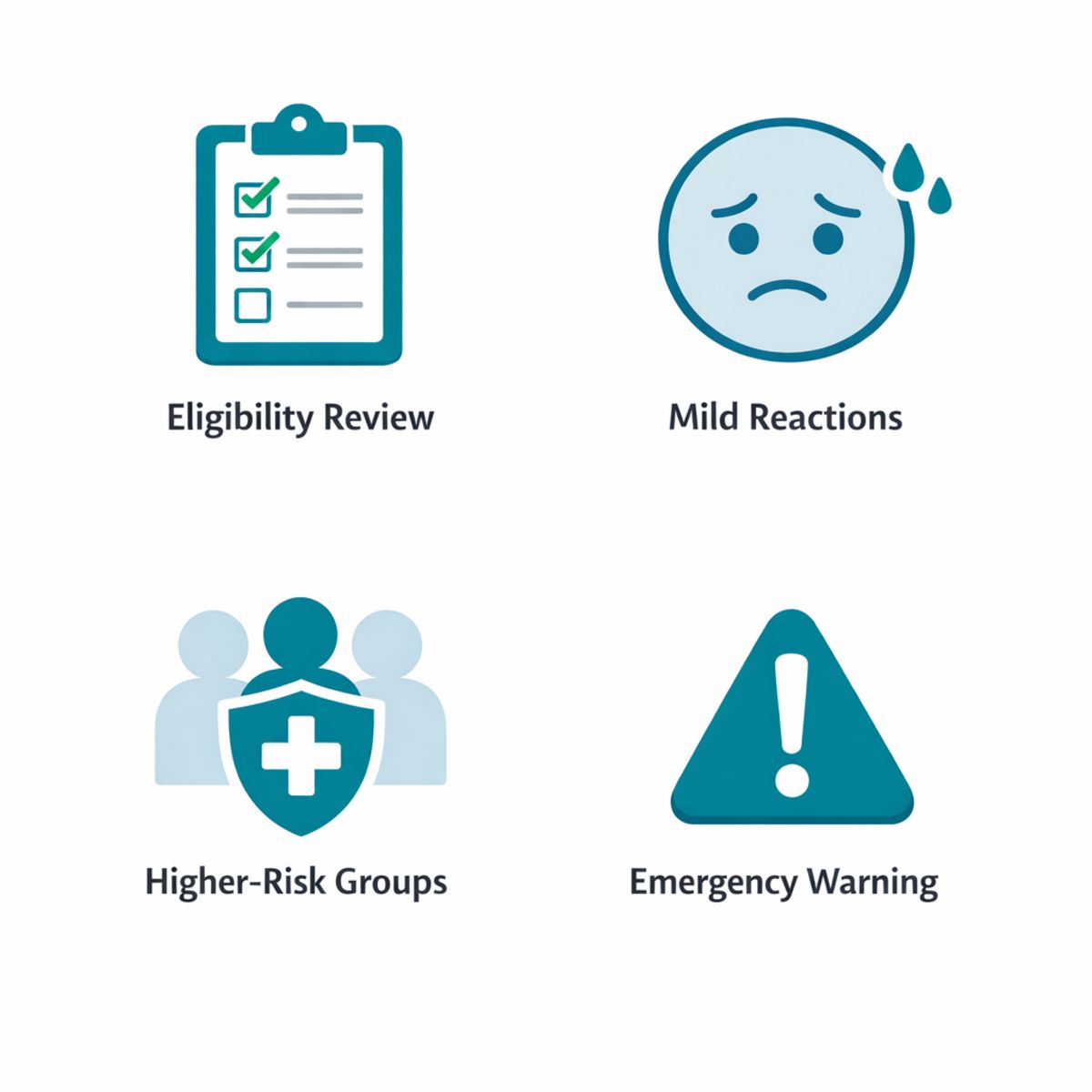
As with many vaccines, some people may experience mild reactions afterward. These can vary and may include temporary soreness, fatigue, low-grade fever, or general discomfort. That does not mean everyone will have the same experience, and it is important not to assume that a reaction in one person predicts what another person will feel. Questions about documentation or a letter of medical necessity for travel may also come up when planning international trips.
Common safety questions travelers ask
A common concern is whether mild side effects mean something is wrong. In many cases, mild post-vaccination symptoms may happen and may resolve without indicating a serious problem, but symptom severity and significance should be assessed in context. Another frequent question is why a clinician asks detailed screening questions before giving a live vaccine. That review may help identify factors that could affect whether the vaccine is a good fit, whether timing should be adjusted, or whether additional precautions should be discussed.
This screening process is not meant to create alarm. Rather, it may help support informed decision-making and reduce avoidable risk. It is usually best to discuss current medications, past vaccine reactions, immune-related conditions, and any major recent health changes before vaccination.
Who may need a more detailed physician review
Some groups may benefit from more careful physician review before receiving yellow fever vaccination. Depending on the individual situation, this may include older adults, pregnant travelers, people who are immunocompromised, or those with certain allergy histories. This does not automatically mean the vaccine is unsafe or inappropriate for them. It means the decision may require a more individualized discussion that weighs travel risk, medical history, and possible alternatives or timing considerations.
If someone develops severe or life-threatening symptoms after vaccination or at any time, they should seek emergency care immediately by calling 911 or going to the nearest emergency room. For non-emergency concerns, a timely conversation with a qualified clinician is usually the safest next step.
How the Yellow Fever Vaccine Fits With Other Travel Vaccines
The yellow fever vaccine is one part of a broader travel health plan. Unlike routine vaccines that many people receive as part of standard care, yellow fever vaccination is usually tied to specific destinations, entry requirements, and exposure risk. In a pre-travel visit, clinicians often review both everyday immunizations and trip-specific needs so travelers can prepare more completely.
Routine vaccines vs destination-specific vaccines
Some vaccines are reviewed because they are part of routine protection, while others are discussed because of where you are going. For example, an MMR vaccine update or a covid 19 vaccine review may come up alongside destination-related questions. Depending on the itinerary, a hep a vaccine or hepatitis b vaccine may also be recommended for travel. In some cases, travelers ask what to know about hepatitis vaccines as part of that discussion. Yellow fever differs from these topics because it is closely associated with certain geographic regions and, for some trips, official documentation requirements.
Why vaccine plans are personalized
Not every traveler needs the same vaccines. Recommendations can vary based on destination, length of stay, planned activities, accommodations, age, and medical history. A traveler spending time in cities may have different needs than someone visiting rural areas or working outdoors. That is why other topics such as a menveo vaccine or a rabies vaccine schedule may be relevant for some people but unnecessary for others.
The goal of travel vaccine planning is not to give every traveler every vaccine, but to match protection to the trip and the person. Yellow fever vaccination fits into that bigger picture as one important consideration among routine, destination-specific, and exposure-based vaccines.
How to Prepare for a Yellow Fever Vaccine Appointment
If you want to know how to prepare for yellow fever vaccine visits, a little planning can make the appointment smoother and help avoid delays.
Bring the right travel and health information
- Write down your destination, travel dates, and any layovers, since entry requirements may differ by country and route.
- Bring prior vaccine records if you have them, including any past yellow fever documentation.
- Prepare a current list of medications, allergies, and major health conditions for physician review.
- Have your passport and basic trip details nearby so your visit can stay focused and efficient.
Check coverage and travel rules ahead of time
- Review current entry requirements through official travel sources before your appointment, since rules can change.
- Verify insurance coverage before scheduling, because vaccine and consultation benefits vary by plan.
- If you need help organizing next steps, a telemedicine visit for vaccine planning may help you review your itinerary and health history in advance.

Yellow Fever Vaccine FAQ
Who needs a yellow fever vaccine before travel?
Some travelers may need a yellow fever vaccine based on where they are going, how they are traveling, and the entry rules for their destination. Need is not the same for every traveler, so a clinician typically reviews destination risk, itinerary details, and personal health factors before making a recommendation.
How far in advance should you plan a yellow fever vaccine visit?
It is usually best to plan as early as reasonably possible before departure. Scheduling availability, medical screening, and travel documentation can all take time, and the right timing may vary depending on your health history, destination, and travel date.
Do all countries require proof of yellow fever vaccination?
No, not all countries require proof of yellow fever vaccination. Requirements vary by country, and sometimes by where you are arriving from or whether you had a transit stop, so travelers should confirm current rules through official government or public health sources before their trip.
Can you get a yellow fever vaccine if you have other health conditions?
Maybe, but it depends on the specific condition and a physician’s review. Pregnancy, immune system concerns, age, certain allergies, and parts of your medical history may affect whether the vaccine is appropriate, so individualized screening is important before any decision is made.
What side effects can happen after a yellow fever vaccine?
Side effects can vary, and some people may have mild reactions such as soreness, headache, or feeling unwell for a short time. Severe or life-threatening symptoms, such as trouble breathing, chest pain, facial swelling, confusion, or collapse, need urgent emergency care right away by calling 911 or going to the ER.
Can yellow fever vaccine planning be discussed by telemedicine first?
Yes, in some cases telemedicine may help with initial travel health questions and early planning. However, a virtual visit is different from in-person evaluation and vaccine administration, so whether telemedicine is useful first depends on the traveler’s situation, timeline, and the services ultimately needed.
Need Help Planning a Travel Vaccine Visit?
If you would like help reviewing your travel plans, vaccine questions, or possible next steps, you can contact the practice to request an appointment. The team can help you understand what information may be useful to share before scheduling and whether telemedicine or an in-home physician visit may be appropriate based on your situation and physician evaluation.
When to reach out
Reach out if you have questions about travel immunizations, timing before departure, or whether your needs may require referral, specialist care, or services outside the home setting. Virtual telemedicine visits are provided remotely, while in-home visits involve a physician coming to the patient when appropriate and available.
Insurance coverage and appointment availability can vary. Contacting the team is a practical way to ask about current options, discuss your concerns, and request guidance on the next step for vaccine and immunization services.
Final Takeaway on the Yellow Fever Vaccine
Yellow fever vaccine decisions should be based on your destination, entry requirements, and personal health considerations. Planning ahead gives you time to confirm current travel rules, review any needed documentation, and avoid last-minute stress.
If you are unsure what applies to your trip, a physician can help review whether vaccination may be appropriate for your situation. With early preparation and individualized guidance, you can move forward with more clarity and confidence.