
Choosing a family medicine clinic is an important decision because it can shape how you handle preventive care, routine checkups, everyday health questions, and follow-up over time. The right fit can look different for each person, couple, or household depending on age, medical history, scheduling needs, and preferences for in-person visits, house calls, or telemedicine access. This guide is designed to help you compare options in a practical, informed way without assuming that one clinic model is right for everyone.
A family medicine clinic often serves as a consistent place for routine and continuing care, including wellness visits, common illnesses, medication follow-up, and coordination when referrals are needed. As you compare clinics, it helps to look at care scope, clinician fit, access, costs, and how well care is coordinated across different needs. While this article focuses on everyday decision-making, some concerns may require urgent care, emergency care, or direct evaluation by a specialist rather than a routine clinic visit.
If you or someone with you may be experiencing a life-threatening emergency, call 911 or go to the nearest emergency room right away. For non-emergency situations, the sections below will walk through the main points to compare before choosing a clinic with confidence.
What a Family Medicine Clinic Does
A family medicine clinic provides ongoing primary care for many common health needs. In plain terms, family medicine focuses on everyday medical care, preventive visits, and follow-up over time rather than one-time treatment alone. A primary care physician in this setting may help evaluate symptoms, manage routine concerns, monitor long-term conditions, and guide next steps based on a patient’s age, history, and current condition.
Family medicine specialists often care for children, adults, and older adults depending on the practice. That can make a family medicine clinic a practical place for households seeking consistent care in one setting. If you want a broader overview of what a medical doctor may help with, it may help to compare how general medical care fits into routine health decisions.
Typical scope of care
The scope of care in family medicine commonly includes preventive care such as annual wellness visits, screenings, health counseling, and vaccinations when appropriate. Clinics may also see patients for routine illnesses like colds, sore throats, minor infections, headaches, digestive concerns, or other non-emergency symptoms. In many cases, a primary care physician may also monitor chronic conditions, review medications, and adjust a care plan over time depending on physician evaluation.
Follow-up care is another important part of the clinic’s role. That may include checking recovery after an illness, reviewing test results, or helping patients stay on track with treatment plans. Still, treatment options and the right care setting depend on the patient’s condition. Some concerns may need specialty evaluation, imaging, urgent care, or hospital-based care if symptoms are more serious or outside the clinic’s usual scope.
Who may benefit from family medicine
Many individuals and families use a family medicine clinic as their main point of contact for ongoing healthcare. This can be helpful for routine checkups, common illnesses, medication reviews, and continuity from one visit to the next. Family medicine specialists often aim to understand a patient’s overall health picture, which may support more coordinated care over time.
That said, not every clinic treats every age group or every condition. Practice scope varies, and some patients may be referred to pediatric, internal medicine, specialty, or hospital teams when needed. A family medicine clinic is best understood as a central part of primary care that may coordinate preventive, routine, and follow-up care while connecting patients to other services when appropriate.

How to Evaluate a Family Medicine Clinic Step by Step
Choosing a family medicine clinic is easier when you compare options with a simple checklist instead of relying on convenience alone. If you are trying to decide where to book your next doctor’s visit, focus on whether the clinic fits your health needs, how clearly the provider communicates, how easy it is to get care, and what happens after the appointment. This step-by-step approach can help you make a more confident decision before scheduling.
1. Match the clinic’s scope to your needs
Start by asking what kinds of care the clinic regularly provides. A good fit may include preventive care, routine health concerns, wellness visits, and follow-up for ongoing conditions. You should also ask whether the clinic handles same-day concerns, medication monitoring, and basic care coordination. If you already know you may need specialty care, find out how the clinic helps patients transition to outside specialists when needed. The goal is to choose a clinic whose everyday services align with the type of support you expect to use most often.
2. Look at provider fit and communication
A clinic can offer the right services and still feel like the wrong match if communication is unclear. Look for a provider who listens carefully, explains next steps in plain language, and makes room for questions. You may also want to know whether the clinician encourages shared decision-making and whether follow-up instructions are easy to understand. Small details matter here: clear explanations, respectful conversations, and realistic care plans can make it much easier to feel comfortable returning for future care.
3. Compare access and visit formats
Next, compare how and where care is delivered. Some clinics focus on traditional office appointments, while others may offer house calls or telemedicine visits for non-emergency care. Virtual care may be a useful option for some non-emergency concerns, subject to physician evaluation, but it is not the same as in-home care. Ask about appointment availability, wait times, scheduling flexibility, and whether different visit formats are offered based on the situation. This helps you understand how practical the clinic will be when you actually need care.
4. Ask how follow-up and referrals work
Good care does not end when the appointment is over. Ask how the clinic shares test results, handles medication follow-up, and communicates after the visit if questions come up. You should also find out how referrals are managed and whether the clinic helps coordinate next steps with specialists, imaging centers, or labs. A strong follow-up process can reduce confusion and help you feel supported between visits, especially if your care plan involves multiple providers or ongoing monitoring.
5. Verify insurance and billing details
Before you schedule, confirm the financial details directly with the clinic. Ask which insurance plans are accepted, whether self-pay options are available, and what charges might apply beyond the visit itself. It is also smart to ask about cancellation policies, payment timing, and any expected out-of-pocket costs. Coverage varies by plan and service, so verifying these details in advance can help you avoid surprises and compare clinics more accurately.
If you use this checklist to compare care scope, provider fit, access, follow-up, and costs, you will have a practical framework for choosing a clinic that fits your priorities. A little research before booking can make your next care experience smoother, clearer, and more convenient.

Family Medicine vs Internal Medicine, Urgent Care, and the ER

Choosing the right care setting depends on your age, your health history, how quickly you need to be seen, and whether the concern may require hospital-level evaluation. In many situations, a family medicine clinic is a strong starting point because it supports ongoing primary care, preventive visits, and follow-up over time. In other cases, an urgent care center, specialty care office, or emergency department may be more appropriate.
A simple way to think about it is this: family medicine is built around continuity and long-term care, while urgent care is usually designed for episodic, same-day needs. If you are comparing family practice vs internal medicine differences, it also helps to understand who each type of physician commonly treats and how that may fit your household’s needs.
Family medicine and internal medicine
When people search for internal vs family medicine, they are usually deciding between two primary care paths. Family medicine physicians commonly care for a broad age range, which may include children, teens, adults, and older adults depending on the practice. Internal medicine physicians generally focus on adult patients. Both can play an important role in primary care, and both may help manage chronic conditions, routine health concerns, and preventive care.
The best fit often comes down to your stage of life, whether you want one clinic for multiple family members, and the physician’s individual training and practice style. It is also important to remember that practice differences vary, so the right choice is not about one being better than the other. It is about which setting aligns with your needs and the type of ongoing relationship you want with your doctor.
Family medicine and urgent care
A family medicine clinic and an urgent care center serve different purposes. Family medicine is centered on continuity of care. That means your physician may know your medical history, medications, past test results, and long-term health goals. This can be especially helpful for preventive care, monitoring ongoing concerns, coordinating referrals, and deciding when specialty care may be needed.
Urgent care is often useful for time-sensitive but non-life-threatening issues when you need prompt attention and your regular primary care office is unavailable. However, urgent care is typically episodic rather than relationship-based. It may not replace the broader role of a primary care physician, especially when follow-up, preventive planning, or care coordination matters.
When emergency care is the right setting
Questions about urgent care or er decisions should always be approached with safety first. If a situation appears life-threatening or may require immediate hospital intervention, call 911 or go to the nearest emergency room. Telemedicine, house calls, and routine clinic visits are not substitutes for emergency services.
Some concerns may also require direct hospital evaluation or specialty care rather than treatment in a primary care or urgent care setting. In short, family medicine is often the right home base for ongoing health needs, but the right care setting always depends on the situation and physician evaluation.
Cost, Insurance, and Practical Access Considerations
Cost and convenience often play a major role when comparing clinics, but the details can vary widely by insurance plan, service type, and how a visit is delivered. Rather than focusing on broad pricing claims, it is usually more helpful to confirm what applies to your specific situation before booking. That includes checking whether a visit is billed as primary care, urgent care, specialty care, or telehealth, and whether your plan treats those categories differently.
If paperwork or supporting documentation may be part of your care, it can also help to understand how administrative services are handled. For example, some patients benefit from reviewing a letter of medical necessity overview before asking a clinic about forms, documentation, or insurer requirements.
Questions to ask about insurance
Insurance coverage varies, so it is smart to verify details directly with both the clinic and your insurer. Useful questions include whether the clinic is in network for your plan, whether a referral is needed, and whether prior authorization applies to any part of the visit, testing, or treatment. You may also want to ask about expected copays, how deductibles affect the visit, whether self-pay rates are available, and how virtual visits are billed if that option is offered.
Questions to ask about scheduling and follow-up
Practical access matters just as much as cost. Ask how soon new appointments are typically available, whether same-day scheduling is sometimes possible, and whether in-person and virtual formats are both available when appropriate. It is also reasonable to ask how follow-up questions are handled, how prescription refill requests are processed, how test results are shared, and whether there is a standard process for after-hours communication. Availability, response times, and visit options can change, so getting current information upfront can make it easier to choose a clinic that fits your needs and expectations.
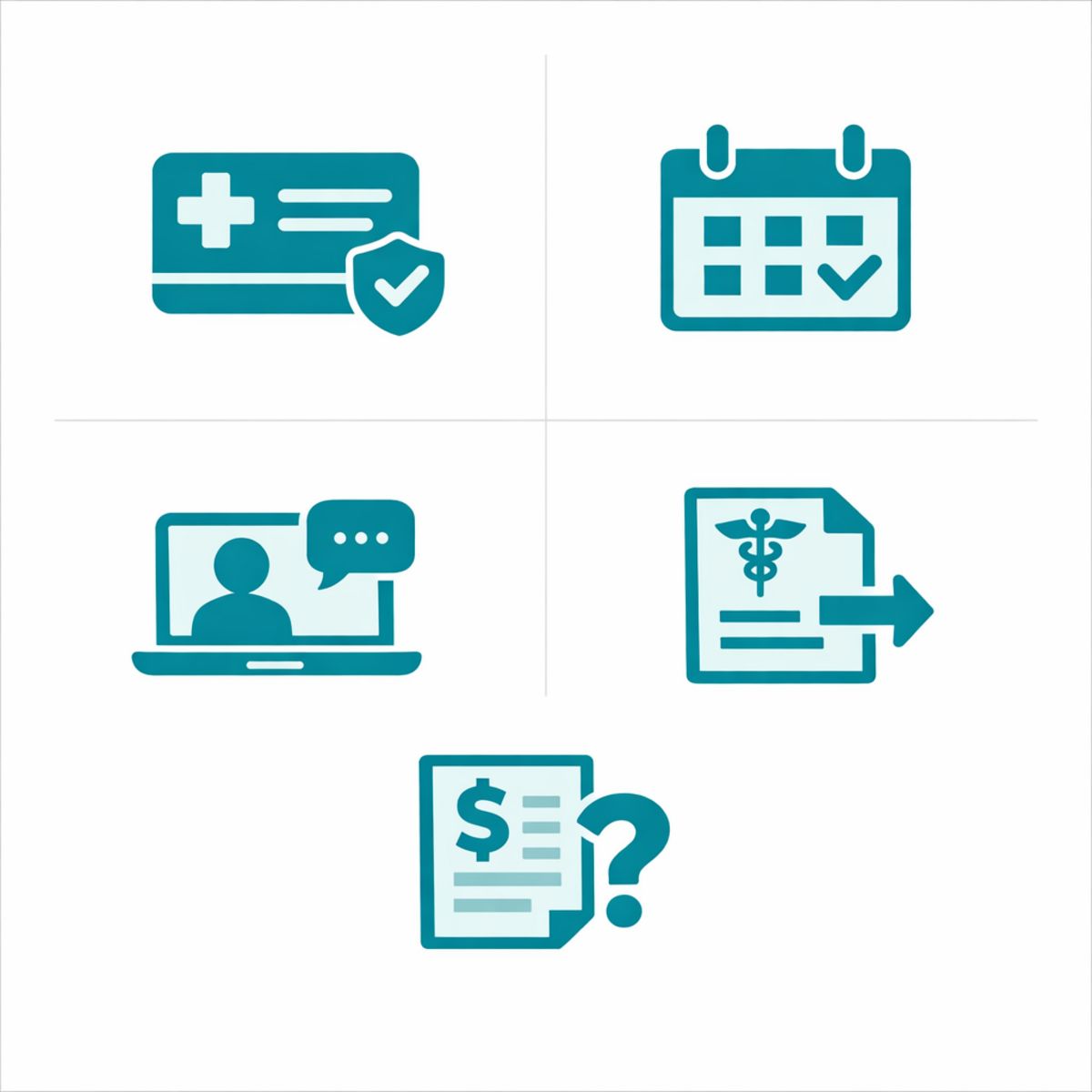
Signs a Clinic May Be a Good Fit for You
When you are comparing care options, it can help to look for practical signs that a clinic fits your needs rather than focusing on broad promises. A good fit often shows up in everyday details: how clearly the team explains next steps, whether follow-up feels manageable, and how well care is coordinated if your situation changes. For some patients, that may also include options like virtual care access through telemedicine visits when appropriate.
Clear communication and realistic guidance
One positive sign is when a clinician explains things in plain language and makes space for questions. That may include reviewing your symptoms, discussing options, and being honest about what can be handled now versus what may need monitoring or additional evaluation. Many patients value care that feels straightforward and respectful, with realistic guidance instead of pressure or overly broad claims.
It can also be helpful when the clinic offers clear next steps, such as what to watch for at home, when to schedule routine follow-up, and when to seek more urgent attention. Reasonable access for routine follow-up can make it easier to stay engaged with your care plan over time.
Continuity and coordination
Another green flag is a care approach that supports continuity. This does not mean every need can be handled in one place, but it may mean your records, care history, and preferences are considered as decisions are made. That kind of continuity can help visits feel more connected and less repetitive.
If specialty care is needed, thoughtful referral coordination is often a strong sign of fit. A clinic that helps guide the handoff, shares relevant information, and aligns recommendations with your preferences and circumstances may contribute to a smoother experience overall. In many cases, the best fit is the one that communicates clearly, follows through on reasonable next steps, and adapts care to your situation.

Questions to Ask Before Your First Appointment
A short checklist to bring with you
- What ages do you see? Confirm whether the clinic serves children, adults, older adults, or whole families so you know if it fits your household’s needs.
- Do you offer preventive care and chronic condition follow-up? Ask if the practice handles routine wellness visits as well as ongoing care for common long-term health concerns.
- How do referrals to specialty care work? A clear referral process can make it easier to coordinate care if you need testing, imaging, or a specialist later.
- Are virtual visits available for appropriate non-emergency concerns? Telehealth options may be helpful for follow-ups, minor illnesses, or questions that do not require an in-person exam.
- What insurance plans do you accept? Verify coverage before your first visit and ask whether there are any expected out-of-pocket costs for new patient appointments.
Frequently Asked Questions
What does a family medicine clinic usually treat?
A family medicine clinic commonly helps with preventive care, routine checkups, minor illnesses, ongoing condition management, and general health concerns for many age groups. Exact services can vary by clinic and provider.
How is family medicine different from internal medicine?
Family medicine often cares for children, adults, and older adults, while internal medicine typically focuses on adults. Both can provide primary care, but the patient age range and training emphasis may differ.
Should I go to a family medicine clinic or an urgent care center?
A family medicine clinic is often a good fit for routine care, follow-ups, preventive visits, and non-emergency health concerns. Urgent care may be more appropriate for same-day issues that need prompt attention but are not life-threatening.
Can telemedicine replace an in-person doctor’s visit?
Telemedicine can be helpful for some follow-ups, medication questions, and certain minor concerns. It may not be enough when a physical exam, testing, or hands-on evaluation is needed.
When should I go to the emergency room instead?
Go to the emergency room or call 911 for severe chest pain, trouble breathing, signs of stroke, major injuries, heavy bleeding, or other potentially life-threatening symptoms. If you think it may be an emergency, seek emergency care right away.
Making a Thoughtful Choice for Ongoing Care
Choosing the right family medicine clinic often comes down to care scope, provider fit, access, and cost. If you would like to ask whether in-home or virtual care may be a good fit for a non-emergency need, contact the team.